Introduction
Tree removal is a critical service that many property owners need at some point. Whether your tree is diseased, dead, or simply taking up valuable space, professional tree removal ensures the job is done safely and efficiently. In Sydney and across Australia, certified arborists provide comprehensive tree removal services that protect your property and the surrounding environment. The decision to remove a tree should never be taken lightly, and understanding the process, costs, and your options can help you make an informed choice that’s right for your situation.
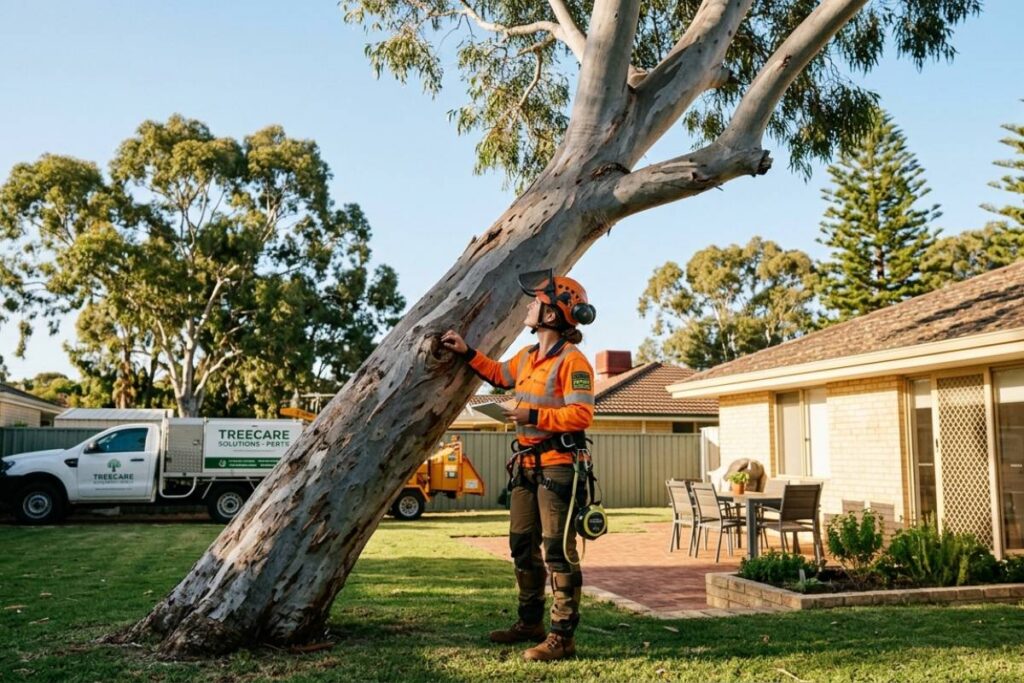
Why Professional Tree Removal Matters
Attempting to remove a tree yourself can be extremely dangerous and is strongly discouraged. Professional tree removal services employ trained arborists with the right equipment, insurance, and expertise to handle trees of any size. They understand the complexities of tree structure, weight distribution, and how to prevent damage to nearby buildings, fences, and utilities. Tree removal involves significant hazards including falling branches, electrocution risks from power lines, and equipment-related injuries. Professional arborists are trained in safety protocols and carry comprehensive liability insurance to protect you and your property. They also understand local regulations and can obtain necessary permits before commencing work. DIY tree removal attempts frequently result in property damage, personal injury, and hefty medical bills that far exceed the cost of professional services.
The Tree Removal Process
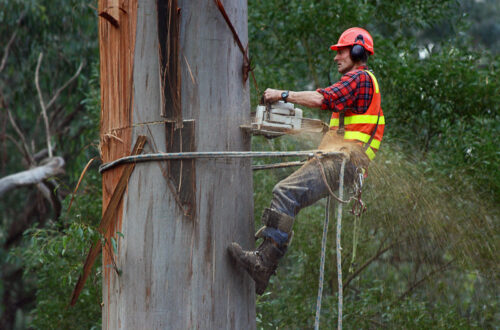
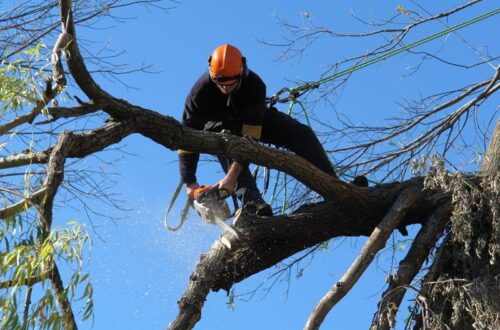
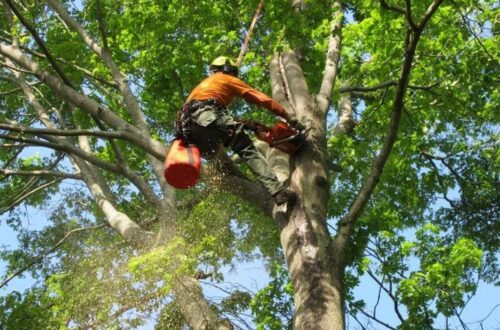
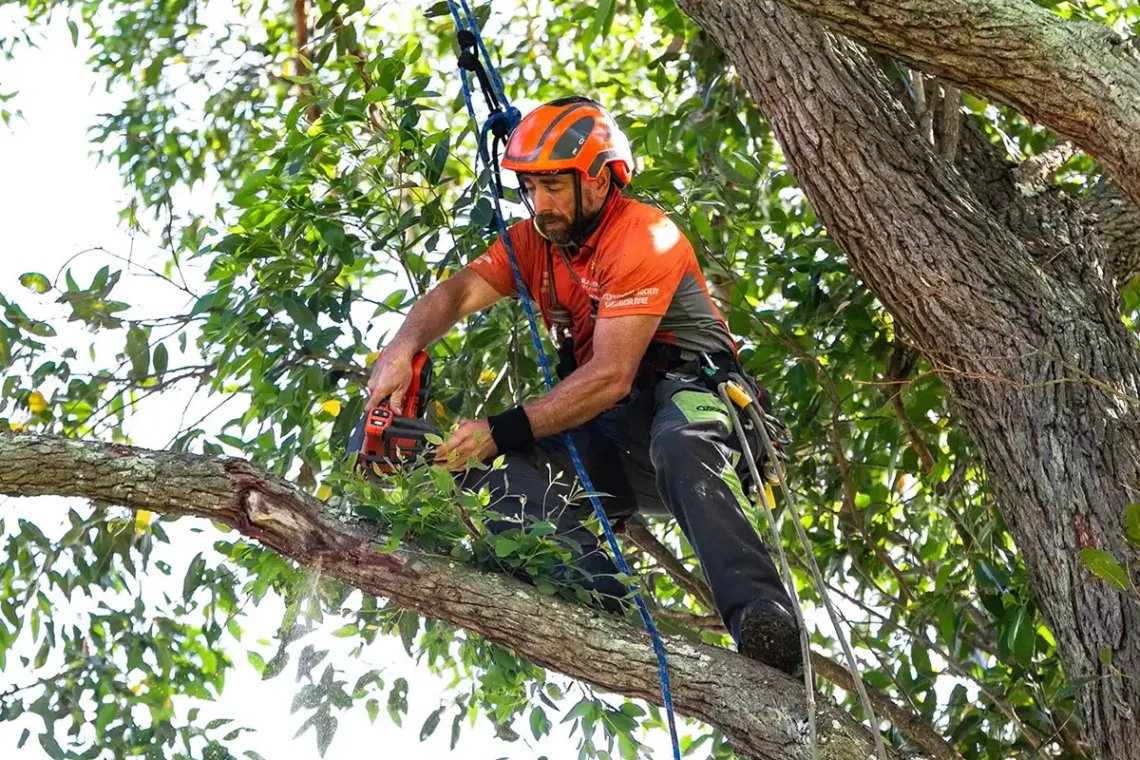
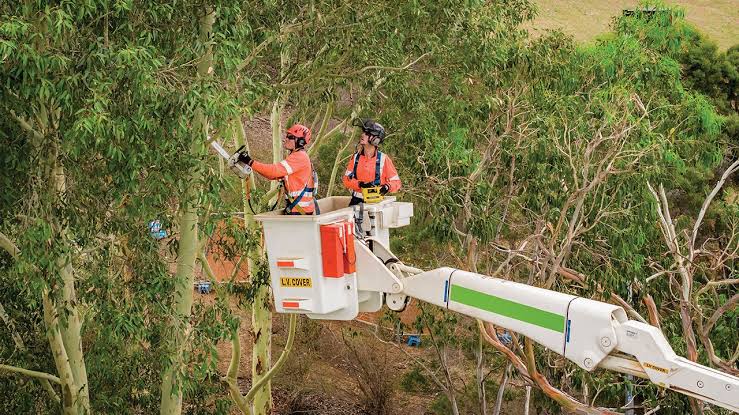
A professional tree removal typically involves several distinct stages: assessment, planning, safe felling, limb removal, stump grinding, and waste disposal. Quality arborists will first evaluate the tree’s health, size, location, and surrounding obstacles before recommending the best removal method. They’ll assess whether the tree poses immediate danger and identify any utilities or structures that require protection during the work. Once a plan is established, the actual removal begins with careful dismantling of the crown, usually by removing large branches one section at a time. This controlled approach prevents the tree from falling unpredictably and damaging property below. After the main trunk is removed, the stump is typically ground below ground level using specialized equipment, allowing you to reclaim yard space and prevent regrowth. Finally, all debris and wood chips are removed or recycled as mulch for your garden.
When Tree Removal is Necessary
Several situations warrant professional tree removal. Trees showing signs of disease, such as extensive bark damage, unusual discoloration, or pest infestation, may need removal if they cannot be saved through treatment. Dead or dying trees pose safety risks, especially during storms when weakened branches are more likely to fail. Trees that are structurally compromised, leaning dangerously, or have multiple broken limbs should be removed promptly. Additionally, trees growing too close to buildings, power lines, or underground utilities may need removal for safety and legal reasons. Trees that are overtaking garden space or blocking views can be removed for aesthetic or practical reasons. Professional arborists can assess whether your tree can be saved with pruning and treatment, or whether removal is the best option.
Cost Considerations and Pricing Factors
Tree removal costs vary significantly based on multiple factors. The primary determinant is tree size, with larger trees naturally requiring more time and specialized equipment. Location is another critical factor: trees in confined spaces, near buildings, or over power lines require more careful and time-consuming removal techniques, increasing costs. Accessibility matters too; trees in backyards with narrow access routes cost more than those easily reached by equipment. The tree’s health status affects pricing: dead trees are sometimes more dangerous and complex to remove than living ones. Whether stump grinding is included also impacts the final cost. Getting quotes from multiple certified arborists will help you understand fair pricing in your area and compare services. Most professional services provide free consultations and detailed written quotes before starting work, allowing you to make informed decisions about which provider offers the best value.
Preparation and Aftercare
Before your tree removal appointment, ensure clear access for equipment and discuss any concerns with your arborist. After removal, the area will have been cleared of debris, but you may want to address remaining issues like stump grinding, ground leveling, or replanting. Many homeowners use the space for new landscaping projects or to improve light in previously shaded areas. If stumps remain, they can create tripping hazards and attract pests, so grinding is usually recommended. The resulting wood chips from grinding can be used throughout your garden as mulch to suppress weeds and retain soil moisture.