The lush canopy of [Your City] is more than just a scenic backdrop; it is a hard-working green infrastructure that cools our streets, filters our air, and boosts property values. However, the strength of an urban forest is only as resilient as its weakest link. When a tree falls ill due to pests, fungi, or environmental stress, it transitions from a community asset to a significant liability.
Keeping [Your City] Green: Why Removing Sick Trees is Vital for Urban Forest Health is not just about aesthetics; it is a critical strategy for bio-security and public safety. In the unique Australian climate—where drought, heatwaves, and sudden storms are common—an unstable, diseased tree poses a risk to both the surrounding ecosystem and the structural integrity of nearby homes.
This guide explores why strategic removal is a pro-active conservation tool, ensuring that our local urban forest remains vibrant and safe for generations to come.
See more: The Hidden Dangers of Dead or Diseased Trees
The Role of the Urban Forest in [Your City]
An urban forest consists of all the trees, shrubs, and vegetation within a metropolitan area. Unlike a wild bushland, an urban forest requires active management because it coexists with high-density human infrastructure.
Why Urban Trees Face Unique Stressors
Trees in [Your City] face challenges that their forest-dwelling counterparts do not:
- Soil Compaction: Paved surfaces prevent roots from “breathing” and absorbing water.
- Heat Island Effect: Concrete and asphalt retain heat, stressing heat-sensitive species.
- Limited Root Space: Underground utilities and foundations restrict natural growth patterns.
- Pollution: Runoff and air quality can weaken a tree’s immune system over time.
When these stressors converge, trees become “immunocompromised,” making them easy targets for pathogens.
Identifying a “Sick” Tree: Symptoms and Warning Signs
Before deciding on removal, it is vital to understand what constitutes a terminal illness in a tree. Some conditions are treatable through pruning or soil remediation, but others indicate a tree that is structurally unsound.
Visual Indicators of Decline
| Symptom | Potential Cause | Risk Level |
| Cankers or Deep Bark Cracks | Bacterial or fungal infection | High (Structural) |
| Mushroom Growth at Base | Root rot (Armillaria or similar) | Extreme (Stability) |
| Premature Leaf Drop | Severe drought or vascular wilt | Moderate (Health) |
| Dieback in the Upper Canopy | Root failure or systemic disease | High (Vitality) |
| Frass (Sawdust) on Bark | Wood-boring insects | Moderate to High |
The Difference Between Dormancy and Disease
In Australia, many native species like Eucalypts or Corymbias may shed bark or look “ragged” naturally. However, if a tree fails to produce new growth during its peak season or exhibits “epicormic sprouting” (small clusters of leaves growing directly from the trunk), it is a sign of extreme stress.
Why Removing Sick Trees is Vital for Urban Forest Health
It may seem counterintuitive to “save” a forest by cutting down trees, but in an urban setting, removal is often the kindest and most scientific choice for the environment.
1. Preventing the “Contagion” Effect
Many tree diseases, such as Myrtle Rust or various fungal blights, are highly transmissible. A single infected tree can act as a “superspreader,” sending spores through the air or via shared root systems to healthy neighboring trees. Removing the host site stops the spread.
2. Mitigating Public Safety Risks
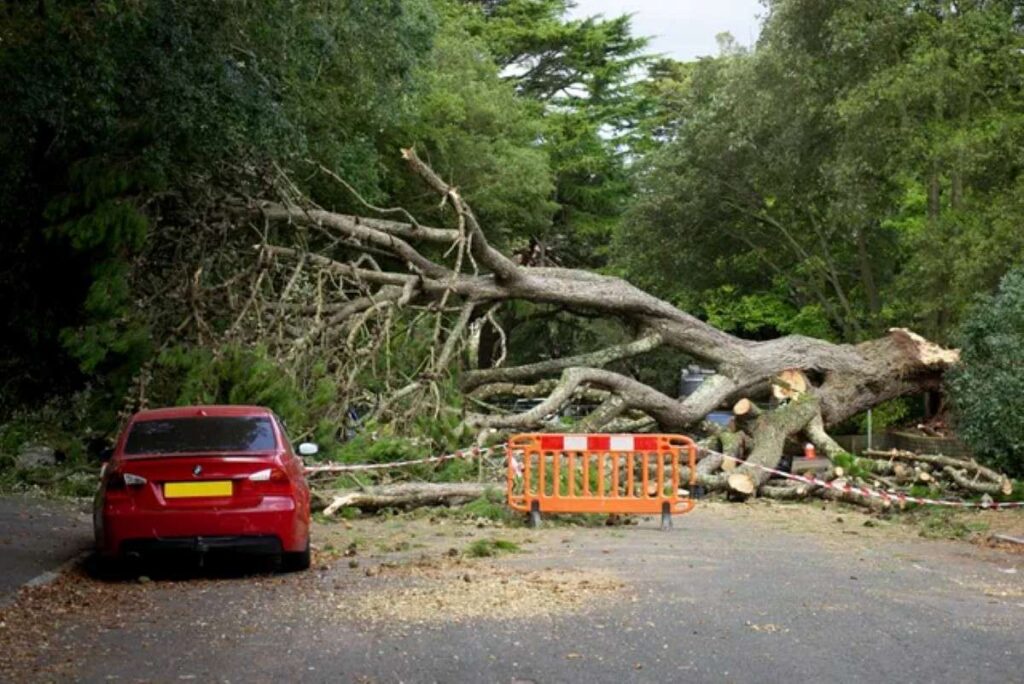
A sick tree loses its structural “elasticity.” In [Your City], sudden summer storms or high winds can easily topple a tree with internal decay. Dead branches—often called “widow-makers”—can fall without warning, endangering pedestrians and vehicles.
3. Promoting Biodiversity and New Growth
When a dying tree is removed, it opens up a “light gap” in the canopy. This allows sunlight to reach the forest floor, encouraging the growth of understory plants and providing a space to plant a more resilient, climate-adapted replacement species.
The Professional Process: How Sick Trees Are Managed
Removing a large tree in a residential or commercial area of [Your City] is a complex engineering task. It requires a blend of biological knowledge and mechanical precision.
Step 1: The Arboricultural Assessment
A qualified arborist (AQF Level 5 is recommended in Australia) evaluates the tree using tools like a Resistograph or Sonic Tomography to “see” inside the trunk. If the decay exceeds a certain percentage of the trunk’s diameter, removal is mandated.
Step 2: Council Permitting and Compliance
[Your City] typically has specific Tree Preservation Orders (TPOs). Most sick or dangerous trees require a permit for removal, even if they are on private property. Providing an arborist report usually fast-tracks this process.
Step 3: Sectional Dismantling
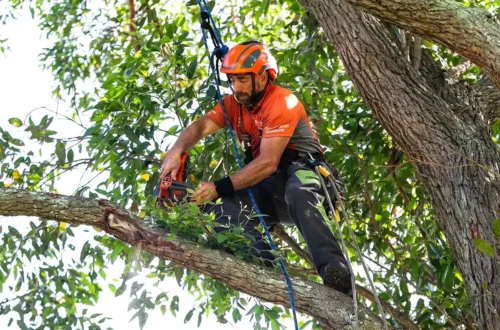
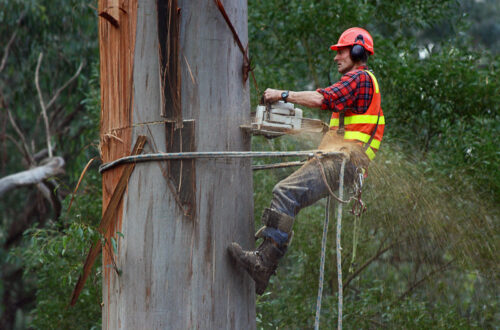
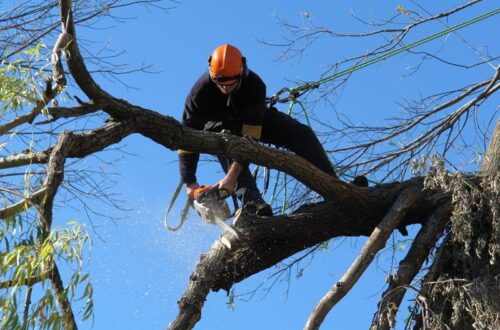
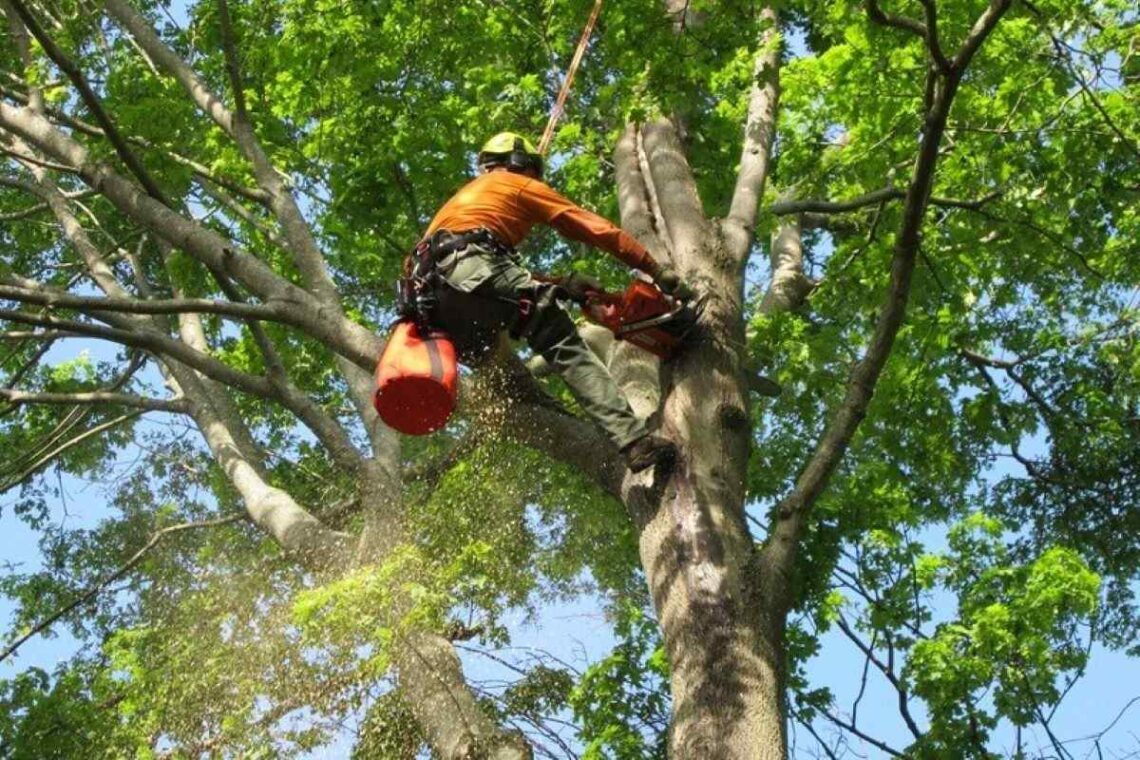
In tight urban spaces, trees cannot simply be “felled.” Professionals use rigging systems to lower branches one by one, ensuring no damage to fences, power lines, or gardens.
Step 4: Stump Grinding and Soil Prep
To prevent fungal pathogens (like honey fungus) from lingering in the soil, the stump should be ground down. This also prepares the site for a new, healthy tree to be planted in the future.
Long-Term Benefits of Strategic Tree Removal
Investing in the removal of hazardous vegetation offers compounded benefits for the local community:
- Enhanced Property Values: Healthy, well-maintained landscapes contribute up to 20% more to a home’s value than those with neglected, dangerous trees.
- Fire Safety: Dead and dying wood provides “ladder fuel,” which can increase the intensity of fires in suburban-bushland interface areas.
- Infrastructure Protection: Removing trees with invasive, failing roots prevents the lifting of sidewalks and the cracking of sewer pipes.
Best Practices for Homeowners in [Your City]
To maintain a healthy urban canopy, homeowners should adopt a “proactive” rather than “reactive” mindset.
- Annual Inspections: Have a professional check your large canopy trees once a year, preferably before the storm season.
- Mulching: Use organic mulch to retain moisture and keep soil temperatures stable.
- Correct Watering: Deep, infrequent watering encourages deep root growth, making trees more resilient to disease.
- Avoid DIY Pruning: Incorrect “lopping” creates open wounds that act as entry points for pathogens.
Common Mistakes to Avoid
- Waiting too long: Delaying the removal of a known “hazard tree” increases the cost of the job, as the tree becomes too brittle for climbers to ascend safely.
- Hiring Uninsured “Loppers”: Always ensure your tree service provider has Public Liability Insurance and follows Australian Standards for Pruning (AS 4373-2007).
- Ignoring the Stump: Leaving a diseased stump can lead to “suckering” or become a breeding ground for termites and fungi.
Internal & External Link Strategy
Internal Linking Opportunities (Suggested Anchor Text):
- Emergency tree removal services in [Your City]
- How to apply for a tree removal permit
- The best native trees to plant in [Your City]
- Understanding the cost of stump grinding
Authoritative External References:
- Standard for Pruning of Amenity Trees (Standards Australia)
- The International Society of Arboriculture (ISA) – Tree Care Resources
Frequently Asked Questions (FAQ)
1. How do I know if my tree is sick or just dormant?
Dormancy usually follows a seasonal pattern (dropping leaves in autumn). A sick tree will show signs of “dieback” from the top down, have peeling bark with weeping sores, or show fungal growth even during the growing season.
2. Does [Your City] council require a permit for every tree removal?
Most councils have a “10/20” rule or specific exemptions for dead/dying trees, but it is essential to check your local TPO. Usually, a certified arborist’s letter is required to bypass standard waiting periods.
3. Can I treat a diseased tree instead of removing it?
In some cases, yes. Fungal infections can sometimes be managed with systemic fungicides, and pests can be treated. However, if the “heartwood” or structural integrity is compromised, removal is the only safe option.
4. What happens if a sick tree falls on my neighbor’s property?
If you were aware the tree was sick (or should have been aware) and did nothing, you may be held liable for “negligence.” Proactive removal is the best way to avoid legal and insurance disputes.
5. Why is removing sick trees vital for urban forest health?
It prevents the spread of pathogens to healthy trees, reduces the risk of property damage, and allows for the replanting of diverse, resilient species that strengthen the local ecosystem.
Conclusion
A healthy urban forest is the pride of [Your City]. While it is never easy to say goodbye to a mature tree, recognizing when a tree has reached the end of its life is a mark of responsible property ownership. By prioritizing the removal of diseased specimens, we protect our homes, our families, and the collective health of our environment.
If you suspect a tree on your property is declining, don’t wait for the next storm to test its strength. Contact a certified local arborist today for a comprehensive health assessment and ensure your landscape remains a safe, green sanctuary.