What is Tree Lopping?
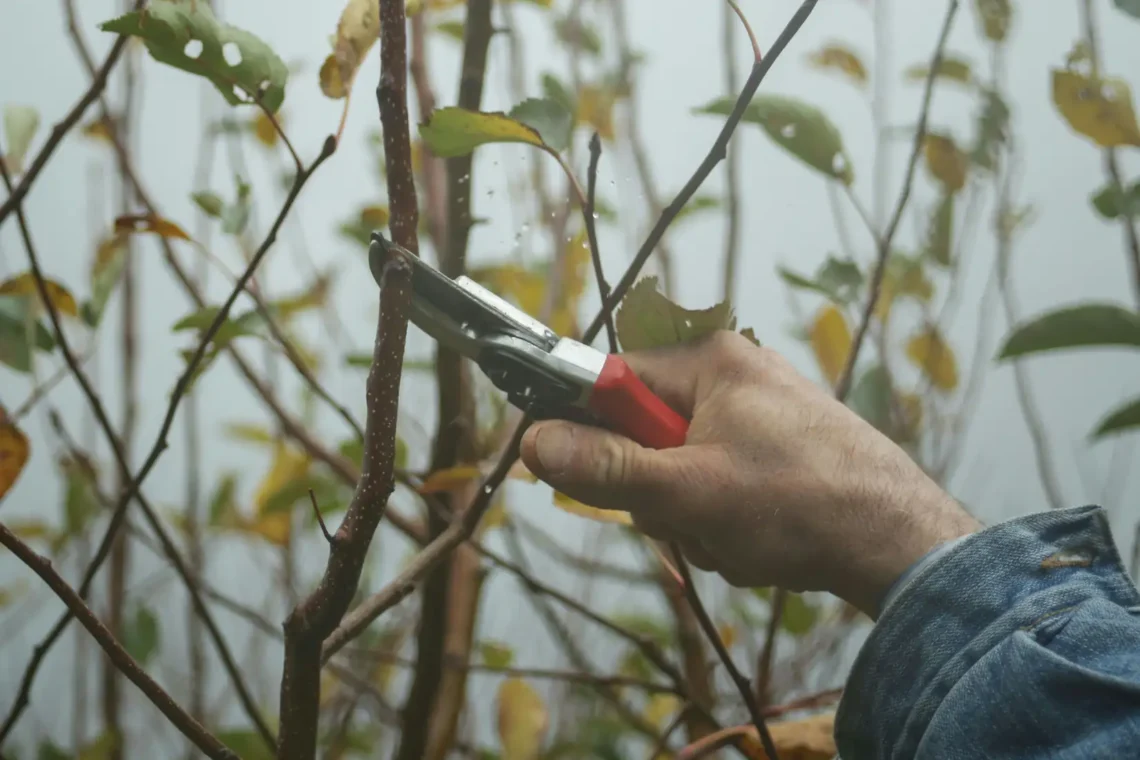
Tree lopping is the selective removal of branches from a tree to control its growth, maintain its shape, and promote health. Unlike complete tree removal, lopping allows the tree to continue growing while improving its structure and appearance. Professional arborists use specialized techniques to ensure lopping promotes long-term tree health rather than damaging the tree. Tree lopping differs from pruning in that it involves removing larger branches and sometimes entire limbs, whereas pruning is more delicate and precise. When performed correctly by qualified arborists, lopping can transform an overgrown, sprawling tree into a more manageable, attractive specimen. The key to successful lopping is understanding tree biology and following proper cutting techniques that promote healing and reduce disease risk.
Benefits of Professional Tree Lopping
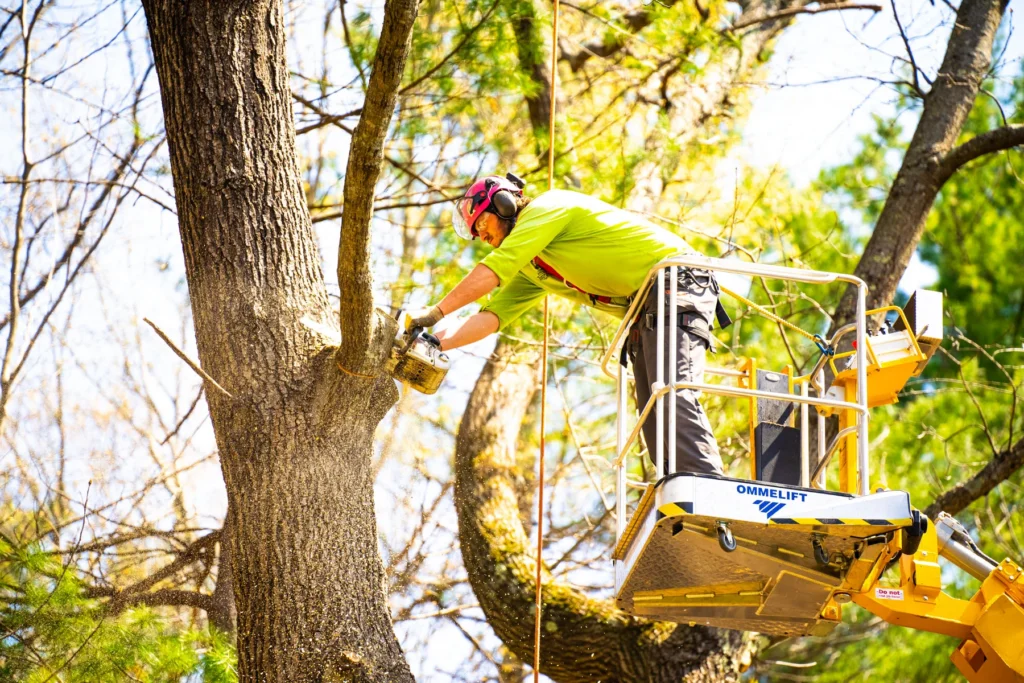
Regular tree lopping services provides numerous benefits to your property and the tree itself. It prevents overgrowth that can make trees difficult to maintain or cause them to encroach on neighboring properties. Reduces wind resistance during storms, which is particularly important for tall trees that might otherwise be blown over in strong winds. Improves light penetration through the canopy, allowing more sunshine to reach lower branches and the garden below. Decreases pest and disease risk by improving air circulation and reducing areas where moisture and pests accumulate. Also enhances the visual appeal of your property and prevents branches from damaging nearby structures, fences, or power lines. Professional lopping follows Australian standards to ensure the tree survives and thrives after the work is completed. Trees that have been properly lopped often grow back stronger and healthier than before.
When to Lop Your Trees
The best time for tree lopping varies by species but is generally done during dormancy or early spring. Most deciduous trees should be lopped during winter when they’re not actively growing, as this minimizes stress and allows the tree to heal before the growing season. Evergreen trees can be lopped year-round but respond best to spring work. Professional arborists will assess your specific trees and recommend the optimal timing based on species, age, and condition. Seasonal lopping helps trees recover faster and prevents unnecessary stress that could make them susceptible to disease. Some fast-growing species benefit from summer lopping to control growth during the active season. Regular assessment every 2-3 years helps determine if lopping is needed or if maintenance pruning would be more appropriate.
Lopping Techniques and Best Practices
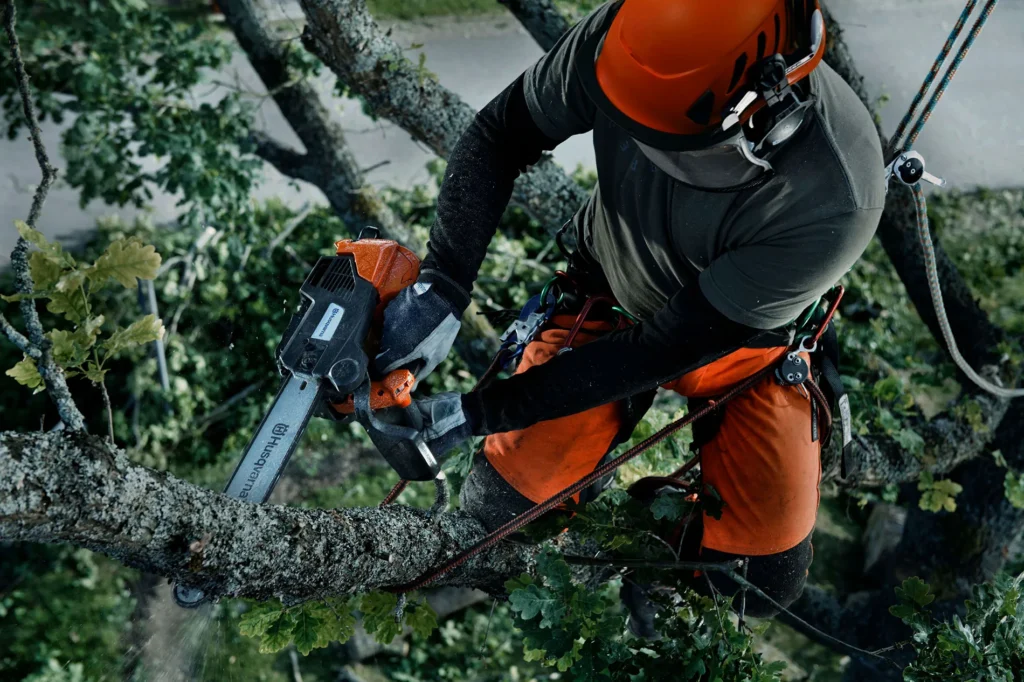
Professional arborists employ specific techniques when lopping to ensure tree health. They make cuts at proper angles, typically just outside the branch collar, which promotes healing and prevents decay from entering the main trunk. They never leave stubs, which are prone to disease, and they avoid flush cuts that damage protective bark. The best practice involves removing branches in sections rather than dropping large limbs, which could damage lower branches and the trunk. Arborists assess the tree’s branch structure before beginning and create a plan that maintains natural form while achieving the desired results. They also know which branches are vital to the tree’s structural integrity and must be preserved to prevent creating hazardous situations later.
Maintaining Tree Health After Lopping
After lopping, trees need proper care to ensure complete recovery and continued health. Monitor the tree for signs of stress, unusual discoloration, or pest activity in the first few months following work. Ensure adequate watering during dry periods, as trees put energy into healing and may need additional moisture. Avoid fertilizing immediately after lopping, as this can encourage weak new growth. Some trees may benefit from follow-up pruning after a year to remove crossing branches or to further refine shape. Professional services often provide aftercare advice specific to your tree species and local conditions to ensure your tree recovers fully and maintains optimal health for years to come.