What exactly do they think the tree needs, and why?
They should be able to explain the problem in plain English and describe the recommended work. A good contractor will identify whether it is pruning, crown reduction, deadwooding, thinning, removal, or stump grinding, and why that option is the best fit.
If they jump straight to removal without a clear reason, that is a red flag. A reputable firm will also explain what could happen if the work is delayed.
Are they properly insured for this type of work?
When looking for tree services near me, they should confirm the provider carries public liability insurance, and if they use climbers, employers’ liability insurance as well. Tree work is high risk, and accidental damage can be expensive.
They should be willing to show proof of insurance on request, with current dates and realistic cover levels. If they avoid the question, the homeowner should move on.
Do they have relevant qualifications and professional memberships?
They should be able to show qualifications for chainsaw use, climbing, rigging, and safe aerial work where applicable. The team on site matters, not just the person who quotes.
Membership of recognised industry bodies can be a good sign, but it should not replace real evidence of training and competence. They should also be willing to explain who will supervise the job.
Will they check for Tree Preservation Orders or conservation area restrictions?
They should ask for the address and confirm whether planning restrictions apply. In the UK, certain trees are protected, and unauthorised work can lead to enforcement action and fines.
A reliable contractor will advise on whether permission is needed and who will submit paperwork. If they tell the customer to “just do it” without checking, that is a risk.
Can they provide a written quote that itemises the work?
They should provide a clear, written quote that states exactly what is included. That means the scope of work, whether waste is removed, whether stumps are included, and whether VAT applies.
Verbal quotes can lead to disputes. If the job changes after inspection, they should explain the change and reprice it in writing before work starts.
Who will actually carry out the work, and are they subcontracting?
They should clarify whether the company’s own team will do the job or if subcontractors will arrive instead. Subcontracting is not automatically bad, but accountability must be clear.
They should state who is responsible for insurance, safety, and quality control on the day. The customer should know who to contact if something needs to be put right.
What safety measures will they use on site?
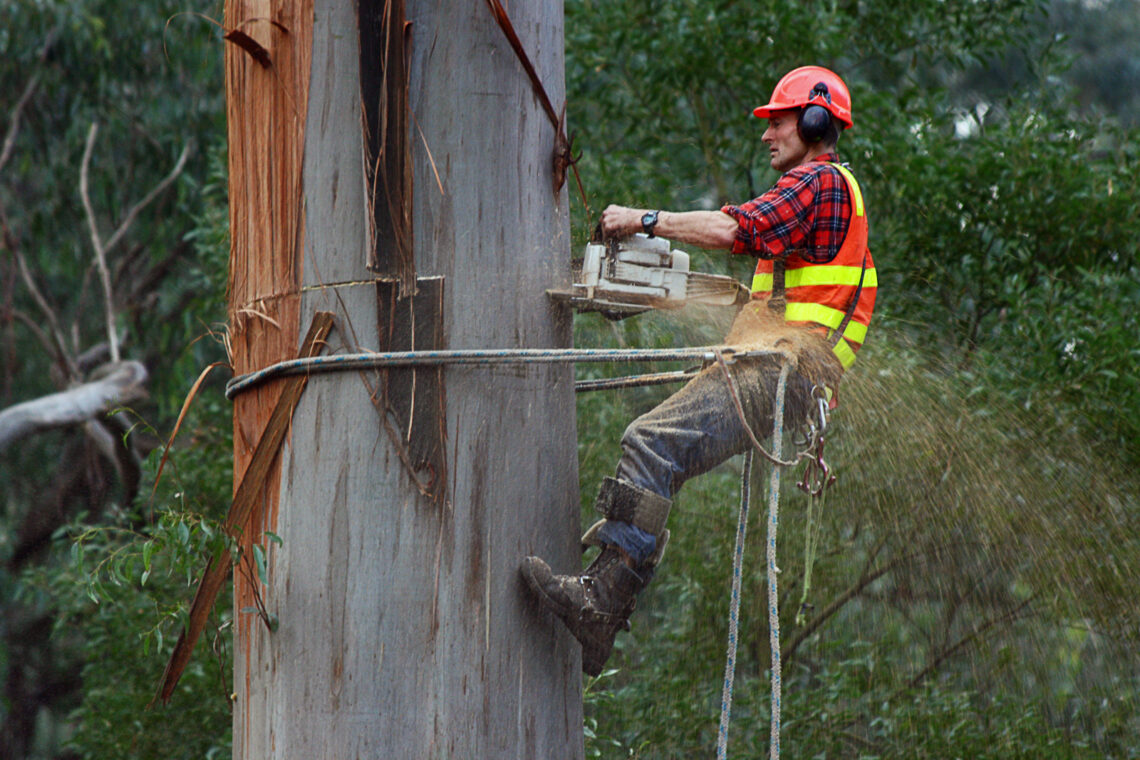
They should describe how they will protect people, buildings, and garden features. That includes cones or barriers, controlled lowering of branches, and careful use of ropes and rigging near property.
They should also explain what access they need and whether neighbours should be informed. If the work is roadside, they should mention traffic management where required.
How will they protect fences, lawns, patios, and nearby plants?
They should explain how they will minimise damage and what is realistic. Tree work can be messy, but good teams plan for it.
They might use boards or mats to protect lawns, choose drop zones carefully, and avoid dragging heavy timber across paving. They should also be upfront about what cannot be guaranteed, especially in wet conditions.
Will they remove all waste, and what happens to the wood?
They should confirm whether logs, branches, and woodchip are removed or left behind. Some customers want logs for firewood, while others want everything taken away.
They should also state whether they dispose of green waste responsibly. If they offer “cheap” work but are vague about waste, the customer should ask where it is going.
Do they grind the stump, treat it, or leave it?
They should clarify whether stump grinding is included, optional, or excluded. Many people assume removal includes the stump, but it often does not.
They should explain the depth of grinding, what happens to the grindings, and whether replanting is planned. If access is tight, they should assess whether the grinder can reach the stump.
How will they avoid unnecessary damage to the tree’s health?
They should describe how much they plan to remove and how that affects the tree long term. Poor pruning can create decay, weak regrowth, and future hazards.
They should avoid “topping” unless there is a specific and justified reason. A competent company will discuss appropriate pruning cuts, timing, and how to reduce risk without overcutting.
What will the job timeline look like, and what could delay it?
They should give a realistic start date, expected duration, and what weather conditions might postpone work. Storm clean-ups and emergency call-outs can change schedules quickly.
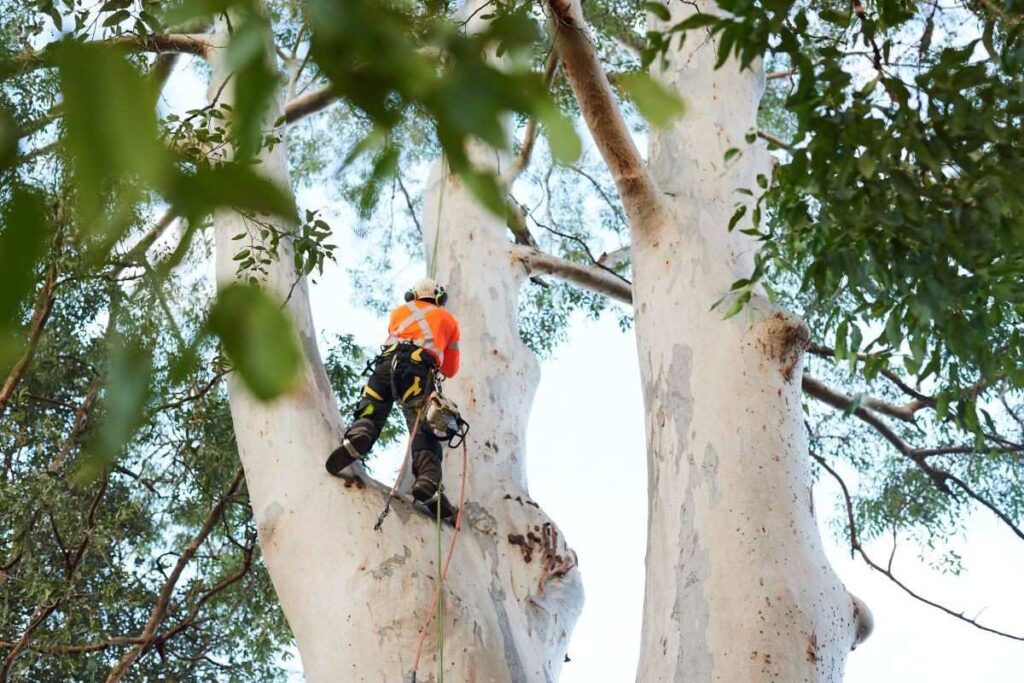
They should also explain what happens if they uncover extra issues, such as internal decay or unsafe climbing conditions. Clear expectations reduce frustration on both sides. Click here to learn more about climbing and abseiling.
Can they share local references or recent before-and-after work?
They should be able to show recent photos of similar jobs and, ideally, reviews from local customers. Consistent feedback about punctuality, tidiness, and communication is often more useful than generic star ratings.
If they claim long experience but cannot show any examples, the homeowner should be cautious. Good firms usually document their work.
What happens if something goes wrong or a dispute comes up?
They should explain their complaints process and how they handle accidental damage. The customer should know who to contact and what the next steps are.
A professional response sounds calm and structured, not defensive. If they are dismissive, that attitude often shows up again when issues arise.
What should they ask before saying yes?
Before booking, they should confirm three things in writing: the exact scope, the total cost, and the clean-up plan. Those details prevent most misunderstandings.
If the company answers these questions clearly, they are usually organised enough to do the job safely. If they rush, dodge, or pressure the customer into a quick decision, it is worth getting another quote.
More to Read : Sydney Tree Lopping: When Is It Necessary Vs Overdone
FAQs (Frequently Asked Questions)
What should I ask a tree service company about the specific work needed?
You should ask them to explain in plain English what the tree problem is and why they recommend certain work, such as pruning, crown reduction, deadwooding, thinning, removal, or stump grinding. A reputable company will clearly justify their recommendation and warn about risks if the work is delayed.
How can I verify if a tree service company is properly insured?
Confirm that the company carries public liability insurance and employers’ liability insurance if they use climbers. They should provide proof of current insurance coverage with realistic limits upon request. Avoid companies that hesitate or refuse to show this documentation.
Why are qualifications and professional memberships important for tree services?
Qualified staff ensure safe chainsaw use, climbing, rigging, and aerial work. Membership of recognised industry bodies can indicate professionalism but must be backed by real evidence of training and competence. The company should also clarify who will supervise the job onsite.
Should I be concerned about Tree Preservation Orders or conservation restrictions?
Yes. Reliable contractors will check for any planning restrictions like Tree Preservation Orders or conservation area rules before starting work. They should advise whether permission is needed and handle any necessary paperwork to avoid fines or enforcement action.
What details should a written quote from a tree service include?
A clear written quote should itemise the scope of work, whether waste removal and stump grinding are included, VAT applicability, and any other relevant terms. If the job changes after inspection, they must provide an updated written quote before proceeding.
How do reputable tree services ensure safety and protect my property during the job?
They will explain safety measures such as using cones or barriers, controlled lowering of branches, careful rigging near buildings, and traffic management if roadside work is involved. They also plan to protect fences, lawns, patios, and plants using boards or mats and communicate access needs to you and neighbours.