The key is separating genuine necessity from convenience pruning. In most cases, the safest outcome comes from targeted pruning guided by an arborist, not aggressive cutting that changes the tree’s structure.
Is tree lopping the same as pruning?
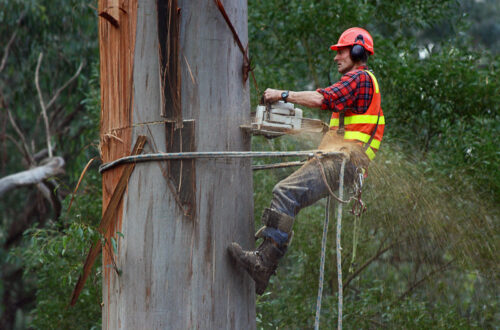
Emergency tree removal Sydney services are not the same as pruning or lopping. Pruning removes selected branches with specific cuts to improve structure, health, and clearance, while lopping usually means cutting back large limbs or the canopy heavily, often without regard to the tree’s natural growth points.
That difference matters because poor lopping can trigger weak regrowth, increase decay, and make failures more likely in storms. When people ask for “a lop”, they often want a quick reduction, but pruning usually achieves the goal with less long-term risk.
When is tree lopping genuinely necessary in Sydney?
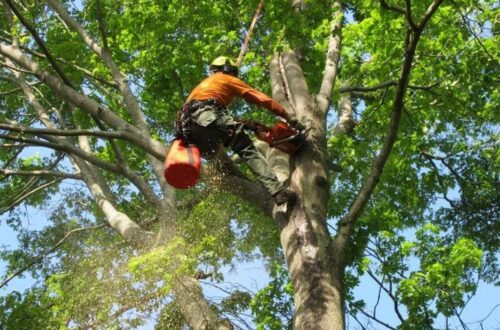
It is most defensible when there is an immediate risk that cannot wait. That includes storm-damaged limbs hanging over accessways, a split leader, branches contacting power lines, or a tree that has lost stability after root damage.
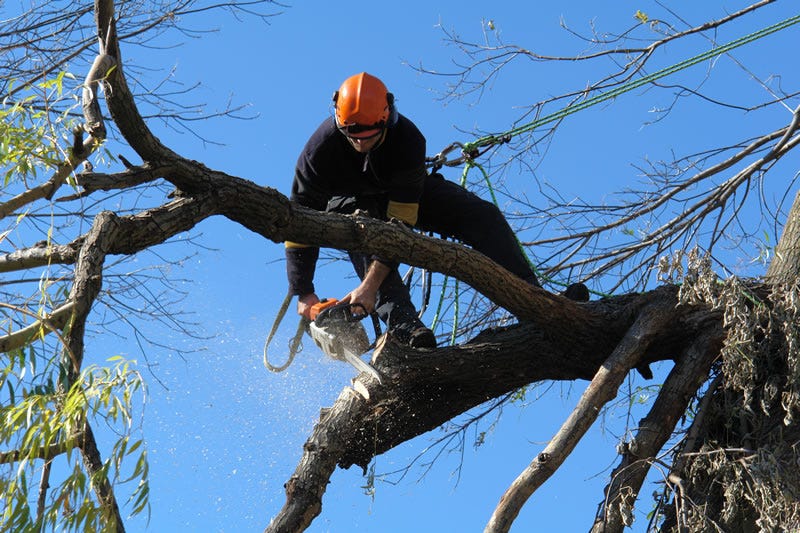
In these cases, lopping can be a short-term risk control measure. A competent arborist will still aim for the smallest cuts needed, then recommend follow-up work such as structural pruning, bracing, or removal if the tree cannot be made safe.
Is it necessary when branches are near power lines?
Sometimes, but it must be handled correctly. In Sydney, work near service lines often has legal and safety constraints, and it is not simply a matter of cutting everything back hard.
A proper approach focuses on clearance requirements, species growth rates, and future maintenance cycles. Overcutting near lines can create fast, weak regrowth that returns to the wires sooner, which increases both risk and ongoing costs.
Is it necessary when a tree is “too big” for the garden?
Usually not. “Too big” often means it blocks light, drops leaves, or feels imposing, but those are not automatically safety issues. Heavy lopping to reduce size can create the very hazards owners want to avoid.
If a tree has outgrown its location, an arborist may recommend staged reduction pruning, canopy thinning, or, in some cases, removal and replacement with a more suitable species. A long-term plan is typically safer than one drastic cut. Read more about tree pruning guide.
When is lopping overdone?
It is overdone when the goal is cosmetic shaping, quick height reduction, or stopping leaf drop. It is also overdone when the cuts remove major scaffold branches or strip the canopy so severely that the tree cannot support itself properly.
A common red flag is when a tree is left with large stubs or a “lion-tailed” canopy where inner branches are removed and foliage is pushed to the tips. That structure can increase wind loading and branch failure.
Does repeated lopping make a tree more dangerous?
Often, yes. Repeated heavy cutting forces trees into stress regrowth, producing clusters of shoots that attach weakly. Those shoots can become large limbs over time, but with poor attachment points that are prone to snapping.
Large cuts also expose more surface area to decay fungi. Once decay progresses inside major limbs or the trunk, the tree can look fine externally while becoming structurally compromised.
What are the signs a tree is being lopped too hard?
The clearest sign is large-diameter cuts across major limbs with little regard for branch collars or natural pruning points. Another sign is rapid “tufted” regrowth, which indicates the tree is compensating for excessive canopy loss.
Other warning signs include sunscald on newly exposed bark, dieback in the upper canopy, and epicormic shoots along the trunk. These symptoms suggest stress and an increased need for future intervention.
Are there better alternatives to lopping?
Yes. In most Sydney gardens, structural pruning, selective reduction, and canopy thinning achieve clearance and risk reduction with less harm. These methods keep the tree’s natural form and reduce the likelihood of weak regrowth.
For nuisance issues, targeted pruning away from roofs and gutters, plus routine maintenance, often works better than major cutting. Where the tree is unsuitable, replacement planting may be the most practical, cost-effective solution.
Do council rules affect whether lopping is appropriate?
They can. Many Sydney councils regulate pruning and removal for certain species and sizes, and some require permits. Even when lopping is allowed, excessive canopy removal can be treated as damaging a protected tree.
This is one reason professional advice matters. A qualified arborist can help owners understand whether work is permissible, what documentation is needed, and what scope of pruning is likely to be accepted if compliance becomes an issue. You may like to visit https://baldwinhillspark.info/tree-services-near-me-questions-to-ask/ to learn more about tree services near me: what questions should you ask first.
What should they ask before approving tree lopping?
They should ask what problem the work is solving and whether a less aggressive option exists. They should also ask where the cuts will be made, how much canopy will be removed, and what the likely regrowth and maintenance cycle will be.
It also helps to request a written scope and a rationale, especially for high-value trees. If the answer is vague, or focused only on “taking it right back”, that is usually a sign the work is more about speed than best practice.
How can they tell if a contractor is recommending lopping for the wrong reasons?
If the recommendation is made without inspecting tree structure, defects, and targets, it is not a proper risk assessment. Another concern is when the contractor promises that lopping will “stop leaf drop” or permanently “keep it small”.
A responsible professional explains trade-offs: stress, regrowth, decay risk, and the likelihood of repeat work. They are also comfortable advising against unnecessary cutting, even if it reduces the job size.
What is the practical takeaway for Sydney homeowners?
Tree lopping is necessary when there is an immediate hazard and a controlled reduction is the safest short-term move. It is overdone when it is used as a blunt tool for size control, tidiness, or convenience.
If they want fewer problems and lower long-term costs, they should treat lopping as a last resort and prioritise targeted pruning or a staged management plan. The healthiest trees in Sydney are rarely the ones cut back the hardest, but the ones maintained with restraint and good timing.
FAQs (Frequently Asked Questions)
What is the difference between tree lopping and pruning in Sydney?
Tree lopping involves cutting back large limbs or the canopy heavily, often without regard to the tree’s natural growth points, whereas pruning removes selected branches with specific cuts to improve structure, health, and clearance. Pruning is generally safer and promotes better long-term tree health compared to aggressive lopping.
When is tree lopping genuinely necessary in Sydney?
Tree lopping is genuinely necessary when there is an immediate risk that cannot wait, such as storm-damaged limbs hanging over accessways, split leaders, branches contacting power lines, or trees losing stability after root damage. In these cases, it serves as a short-term risk control measure guided by a competent arborist.
Is tree lopping required when branches are near power lines in Sydney?
Sometimes tree lopping near power lines is necessary but must be handled correctly within legal and safety constraints. The approach should focus on clearance requirements, species growth rates, and future maintenance cycles to avoid overcutting that can cause weak regrowth and increase risks and costs.
Can heavy tree lopping be harmful if a tree is considered ‘too big’ for a garden?
Yes, heavy lopping to reduce size often creates hazards such as weak regrowth and structural issues. Instead of drastic cuts, arborists usually recommend staged reduction pruning, canopy thinning, or removal and replacement with more suitable species to ensure long-term safety and health.
What are the signs that a tree has been lopped too hard?
Signs include large-diameter cuts across major limbs without regard for branch collars or natural pruning points, rapid tufted regrowth indicating stress compensation, sunscald on exposed bark, dieback in the upper canopy, and epicormic shoots along the trunk. These indicate excessive canopy loss and increased risk of future problems.
Are there better alternatives to tree lopping for managing trees in Sydney gardens?
Yes. Structural pruning, selective reduction, and canopy thinning are preferable alternatives that maintain the tree’s natural form while achieving clearance and risk reduction with less harm. Routine maintenance and targeted pruning often address nuisance issues more effectively than major cutting.