
The right arborist will be clear about qualifications, safety, compliance, and scope. The wrong one can leave homeowners with damaged trees, neighbour disputes, and expensive clean-ups.
What does a trusted arborist in Sydney actually do?
A qualified arborist Sydney property owners rely on will assess tree health, identify hazards, recommend pruning, removals, or treatments, and carry out the work safely. An experienced arborist Sydney professional should also advise on council requirements and protected tree regulations where relevant.
A reliable arborist Sydney homeowners trust will clearly explain options and trade-offs, rather than defaulting to removal when pruning or remediation may be the more appropriate solution.
What qualifications and certifications should homeowners check?
They should hold relevant arboriculture training, commonly a Certificate III in Arboriculture as a baseline for practical tree work. For higher-risk or consulting work, additional qualifications and experience matter.
If they present as a consulting arborist, homeowners should expect formal reports, clear methodology, and professional-grade risk language. If they cannot explain their training, that is a red flag.
Are they insured for the specific risks of tree work?
They should carry public liability insurance and, if they have staff, workers compensation. Homeowners should ask for a current certificate of currency, not a vague promise.
Insurance should match the work type. High-risk removals, rigging over roofs, and work near roads require serious coverage and safety systems.
How can homeowners tell if they follow proper safety practices?
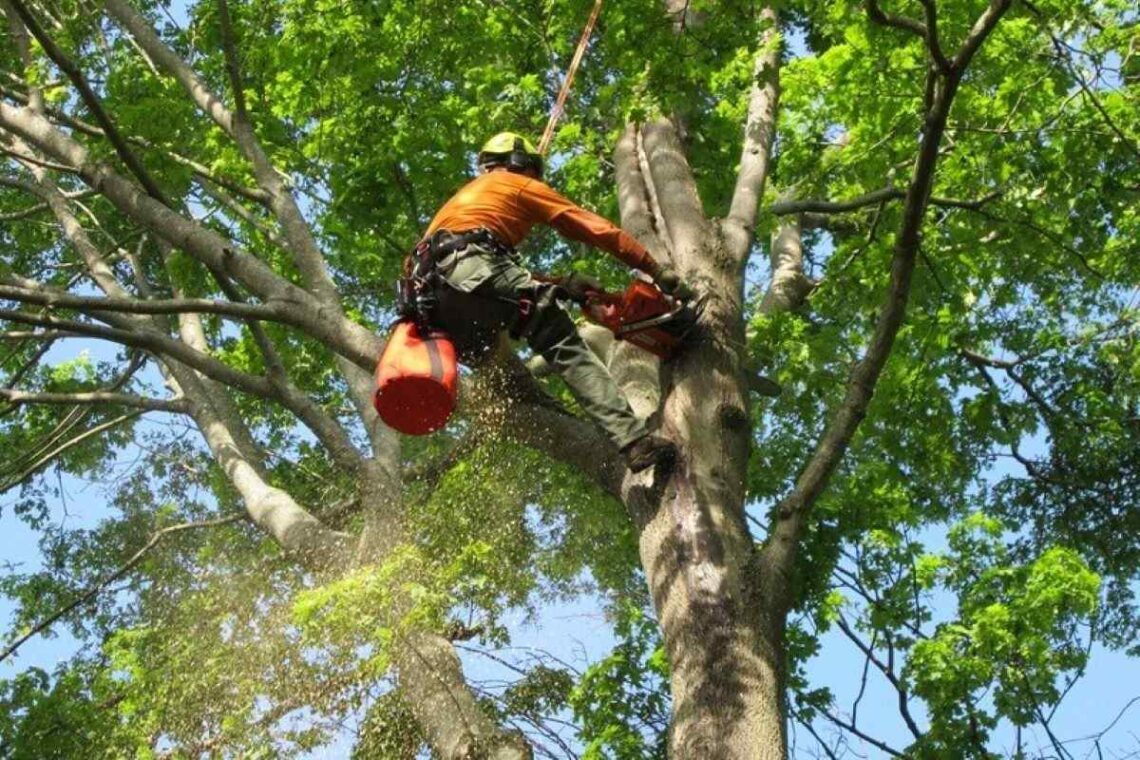
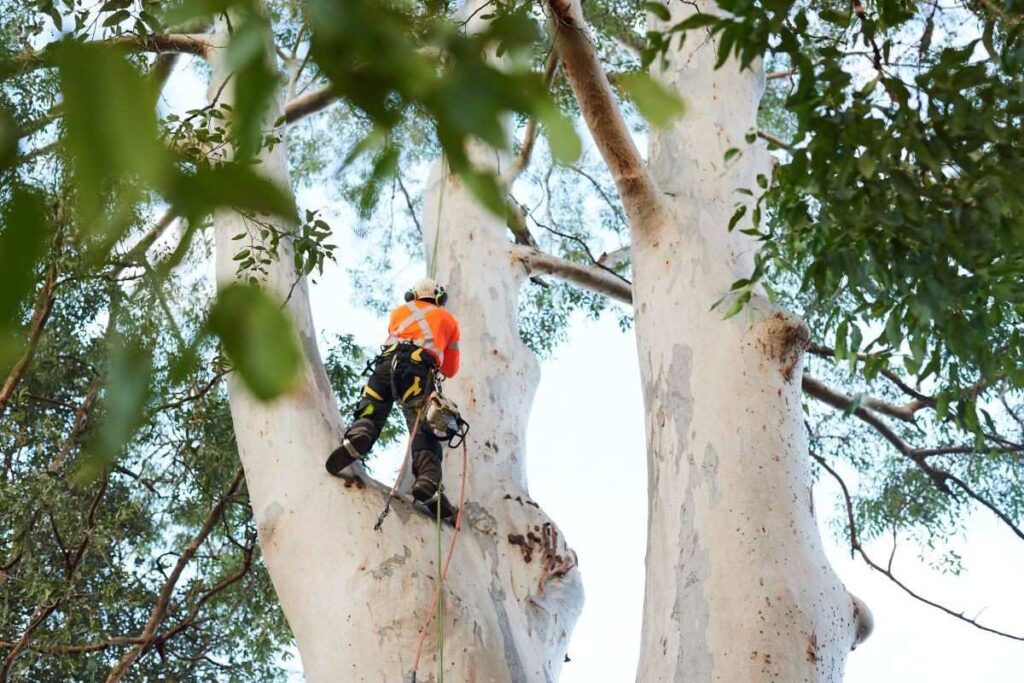
They should use PPE, exclusion zones, spotters where needed, and safe rigging techniques. They should also arrive with the right equipment for access and control, not improvised ladders or unsafe climbing shortcuts.
A trustworthy arborist explains how they will protect roofs, fences, gardens, and pedestrians. If they dismiss safety questions, homeowners should move on.
Will they handle council rules and protected tree requirements in Sydney?
They should know that many Sydney councils regulate pruning and removals, especially for significant, heritage, or protected trees. They should be able to flag when approval may be required and what evidence supports an application.
They do not need to “guarantee” approval, but they should not pressure homeowners to ignore regulations. A cheap, non-compliant job can become the homeowner’s problem later.
How should their quote be structured so it is actually comparable?
They should provide an itemised scope that states exactly what will be done, to which trees, and to what standard. It should specify pruning type, percentage or targets, whether deadwood is included, and whether stump grinding is separate.
They should also clarify access assumptions and what changes the price. A one-line quote usually hides exclusions and surprises.
What questions should homeowners ask about pruning standards and tree health?
They should ask what pruning method will be used and why. A good arborist talks in outcomes such as clearance, structure, and risk reduction, not just “lop it back.”
They should avoid practices like indiscriminate topping, which can weaken trees and trigger fast, unstable regrowth. If they propose severe cuts without a tree-specific reason, homeowners should ask for an explanation in plain language. Click here to get more about signs it’s time to book a hedge trim service for your property.
Who is responsible for clean-up, waste removal, and stump management?
They should state whether green waste is removed, whether logs or mulch are left on-site, and how the site will be left. Clean-up should include raking and clearing paths, not just dragging branches away.
If stump removal is needed, they should clarify stump grinding depth and whether roots near paving or pipes affect the plan. Homeowners should not assume it is included.
How can homeowners verify reputation beyond star ratings?
They should look for consistent before-and-after examples, recent local jobs, and reviews that mention communication, punctuality, and clean-up. They should also check whether the business name on the invoice matches the one on reviews.
A trustworthy arborist is usually happy to provide references for similar work types, especially complex removals or large pruning jobs.
What red flags suggest homeowners should walk away?
They should be wary if the arborist refuses to provide insurance evidence, pushes cash-only deals, or offers to bypass council rules. They should also be cautious if the quote is dramatically cheaper without a clear reason.
Other red flags include vague scopes, pressure to decide immediately, and recommendations that do not match visible tree condition. If they cannot explain “why,” they are not the right fit.
What should homeowners expect on the day of the job?
They should expect a quick site briefing, confirmation of the scope, and clear safety boundaries. They should see controlled cutting, careful lowering of limbs near structures, and a tidy finish.
They should also receive advice on aftercare where relevant, such as watering, monitoring for stress, or follow-up pruning timing. A good arborist does not disappear the moment the last branch hits the ground.
How can homeowners choose confidently without overthinking it?
They should shortlist two or three arborists, compare itemised quotes, and choose the one that communicates clearly and demonstrates safety and compliance. The best choice is rarely the cheapest; it is the one most likely to protect the tree, the property, and everyone nearby.
When an arborist is qualified, insured, and transparent, homeowners can feel confident they are hiring someone Sydney homeowners can trust.
FAQs (Frequently Asked Questions)
What qualifications should I look for when hiring an arborist in Sydney?
Homeowners should check that the arborist holds relevant arboriculture training, typically a Certificate III in Arboriculture as a baseline for practical tree work. For consulting or higher-risk tasks, additional qualifications and experience are important. A qualified arborist can clearly explain their training and certifications.
How can I ensure the arborist follows proper safety and compliance standards?
A trustworthy arborist uses appropriate personal protective equipment (PPE), sets up exclusion zones, employs spotters when needed, and uses safe rigging techniques. They arrive equipped with the right tools and explain how they will protect roofs, fences, gardens, and pedestrians. They also carry public liability insurance and workers compensation if applicable.
Will the arborist handle Sydney council rules and protected tree requirements?
Yes, a reliable arborist understands many Sydney councils regulate pruning and removals, especially for significant or protected trees. They can advise if approval is required and assist with necessary applications without pressuring homeowners to ignore regulations.
What should a detailed and comparable quote from an arborist include?
The quote should be itemised, specifying exactly what work will be done, to which trees, and to what standard. It should clarify pruning methods, percentage or targets, inclusion of deadwood removal, stump grinding details, access assumptions, and any factors that could change the price. Avoid one-line quotes that hide exclusions.
How do I verify an arborist’s reputation beyond online star ratings?
Look for consistent before-and-after photos of recent local jobs, reviews mentioning communication, punctuality, and clean-up quality. Confirm that the business name on invoices matches reviews. Trusted arborists are usually willing to provide references for similar types of work.
What are red flags that indicate I should avoid hiring a particular arborist?
Be cautious if the arborist refuses to provide proof of insurance, pushes cash-only payments, offers to bypass council regulations, or provides quotes significantly cheaper without explanation. Other warnings include vague scopes of work, pressure to decide immediately, or recommendations that don’t align with visible tree conditions.

