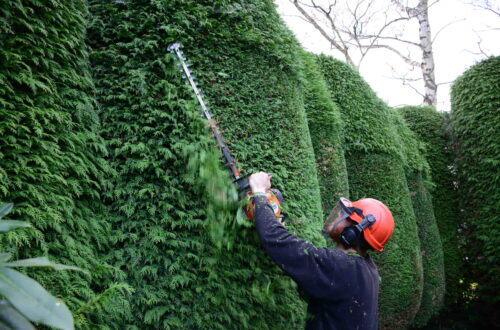
Here are the clearest signs it’s time for them to book a professional hedge trim service.
Is the hedge starting to block walkways, driveways, or sightlines?
If branches are pushing into a footpath, brushing cars in a driveway, or narrowing access points, it’s time to follow hedge trimming safety tips and book a professional trim. Overgrowth also creates blind spots at corners and near gates, which can become a serious safety issue if left unmanaged.
Applying proper hedge trimming safety tips ensures the hedge is reshaped cleanly and safe clearance is restored without leaving jagged cuts or missed sections.
Does the hedge look uneven or “lumpy” from patchy growth?
Hedges often grow faster on the sunny side, or in spots where soil holds more moisture. If one area bulges out while another looks thin, the hedge is telling them it needs a proper reshape, not just a quick pass with shears.
Professionals trim for a consistent face and taper, which helps the hedge fill in evenly over time.
Are they trimming more often but getting worse results?
When a hedge needs constant touch-ups, it usually means the cuts are happening at the wrong time or in the wrong places. Repeated shallow trimming can also encourage dense growth only on the outer layer, making future shaping harder.
A hedge trim service can reset the structure so maintenance becomes less frequent and more predictable.
Is the hedge growing into fences, gutters, power lines, or structures?
If growth is pressing into a fence, leaning onto a roofline, or creeping toward cables, they should stop delaying. Property damage and access problems tend to follow.
A professional team has the tools, ladders, and process to cut back safely and remove debris properly, especially for tall or hard-to-reach hedges.
Are there dead patches, thin spots, or bare wood showing?
Dead zones, sparse sections, and exposed woody stems can indicate stress from poor airflow, inconsistent light, or incorrect past trimming. In many cases, smart pruning can help redirect growth and encourage thickening.
A service can assess whether the hedge needs light shaping, selective reduction, or a staged approach to avoid shocking the plant.
Is the hedge getting too tall to manage safely?
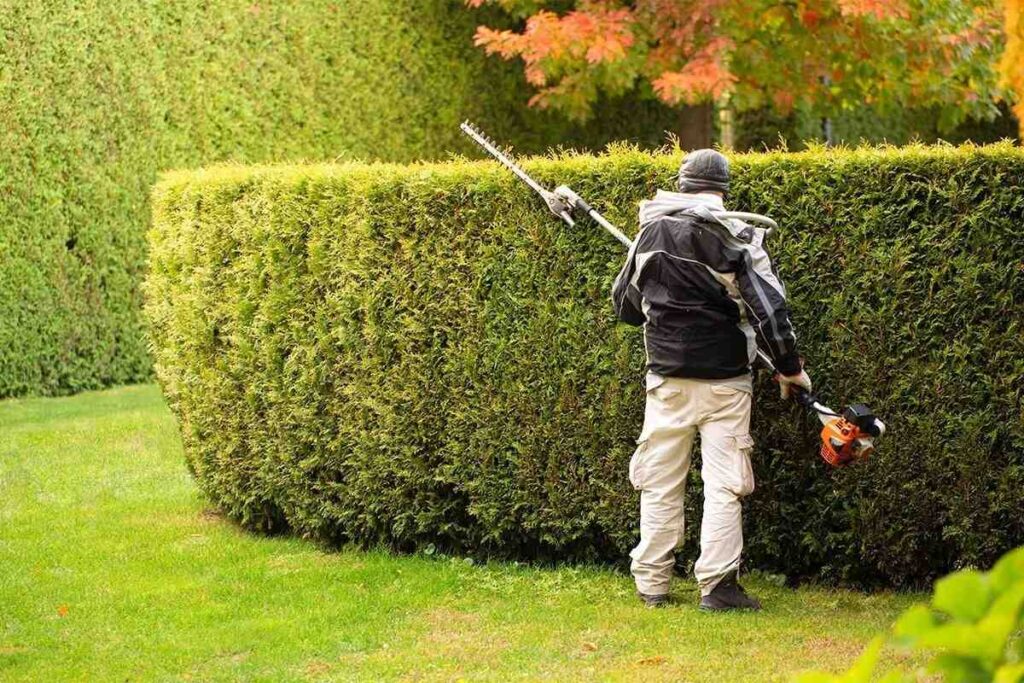
If they need a ladder, are reaching overhead for long stretches, or feel unstable while cutting, it’s time to outsource. Tall hedges are one of the most common causes of garden-related falls, especially when combined with uneven ground.
Professionals are set up for height work, and they can keep the top level and straight, which is difficult to achieve from a ladder.
Are they noticing pests, nesting, or increased moisture and mold?
Overgrown hedges trap moisture and reduce airflow. That can lead to fungus, mold on nearby surfaces, and more hiding places for pests. They might also notice birds nesting, which can restrict when trimming is appropriate.
A hedge service can advise on timing and trim in a way that improves airflow while staying mindful of local wildlife considerations. You may like to visit https://www.dcceew.gov.au/environment/biodiversity/conservation to get more about biodiversity conservation.
Does the hedge look like it’s swallowing the property’s curb appeal?
When a hedge starts dominating the frontage, covering windows, hiding architectural features, or making the entry feel cramped, it’s usually overdue. Even small improvements, like defining corners and restoring clean lines, can change the whole look of the property.
A professional trim tends to look sharper because they cut for symmetry, proportion, and the right finish for the species.
Are clippings and cleanup becoming a bigger headache than the trimming?
Hedge trimming is only half the job. Bagging thorny clippings, hauling green waste, and sweeping hard surfaces can take longer than the cutting itself, especially after a heavy reduction.
A trim service typically includes cleanup and disposal, which is often the main reason property owners decide it’s worth booking.
Is the hedge causing neighbor complaints or boundary tension?
If branches are crossing boundaries, dropping clippings into a neighbor’s yard, or blocking shared access, it’s smarter to fix it early. Boundary hedges can turn into ongoing friction when they’re not maintained.
A scheduled hedge trim keeps the line clear and reduces the chance of disputes over encroachment.
Do they want a cleaner shape than a basic “tidy up” can achieve?
Some hedges need more than a quick trim. They may need a formal shape, a straighter face, cleaner edges, or a consistent height across long runs. That level of finish is hard to get without experience and the right equipment.
A professional service can deliver a defined look that holds its shape longer and looks intentional, not just cut back. Check out more about what to look for when hiring an arborist Sydney homeowners can trust.
Are they unsure what species it is or when it should be cut?
Different hedges respond differently to timing and technique. Cutting too hard at the wrong moment can slow recovery, scorch new growth, or leave gaps that take seasons to fill.
If they don’t know the hedge type or best trimming window, booking a service reduces guesswork and lowers the risk of doing lasting cosmetic damage.
What’s the simplest way to decide if it’s time to book?
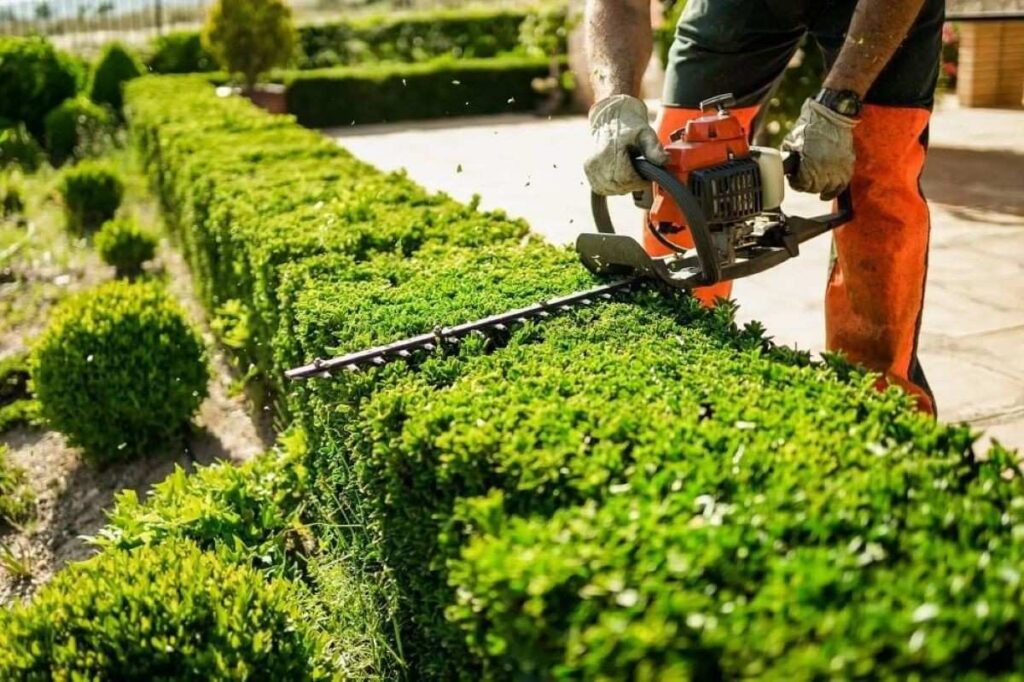
If the hedge is affecting access, safety, appearance, or time, it’s time. A good rule is this: when they’re trimming just to “stop it taking over,” they’ll usually get a better result by booking a proper reshape and then maintaining it.
After a professional trim, the hedge typically becomes easier to keep neat, and the property looks sharper with less ongoing effort.
FAQs (Frequently Asked Questions)
When should I consider booking a professional hedge trimming service?
You should book a professional hedge trimming service when your hedge starts blocking walkways, driveways, or sightlines; looks uneven or lumpy; requires frequent trimming with poor results; grows into fences, gutters, power lines, or structures; has dead patches or bare wood showing; becomes too tall to manage safely; causes pest or mold issues; negatively affects your property’s curb appeal; creates cleanup challenges; leads to neighbor complaints or boundary tensions; needs a cleaner shape than a basic tidy-up can achieve; or if you’re unsure about its species and the best time to trim.
Why is it important to trim hedges that block walkways or sightlines?
Overgrown hedges pushing into footpaths, driveways, or narrowing access points can create safety hazards by obstructing visibility and causing blind spots at corners and near gates. Professional trimming restores clear lines and safe clearance without jagged cuts or missed sections.
How does uneven or patchy growth affect the health of my hedge?
Uneven growth often indicates that parts of the hedge receive different amounts of sunlight or moisture. This can cause bulging in some areas and thinning in others. Proper reshaping by professionals ensures a consistent face and taper, promoting even filling and healthier growth over time.
What are the risks of trimming a hedge that has grown into fences, gutters, or power lines?
Hedges growing into fences, rooflines, or power cables can cause property damage and access problems. Attempting to trim these yourself may be unsafe. Professional teams have the right tools and experience to cut back safely and properly remove debris from tall or hard-to-reach hedges.
How can professional hedge trimming improve my property’s curb appeal?
A professional trim defines corners, restores clean lines, and achieves symmetry and proportion tailored to your hedge species. This sharpens your property’s frontage by preventing hedges from dominating windows, hiding architectural features, or making entryways feel cramped.
What should I do if I’m unsure about my hedge species or the best time to trim it?
Different hedge species require specific timing and techniques for trimming. Cutting at the wrong time may harm recovery and appearance. Booking a professional service reduces guesswork, ensures proper care based on species knowledge, and lowers the risk of lasting cosmetic damage.