How Can Property Inspection Help Identify Rodent Activity?
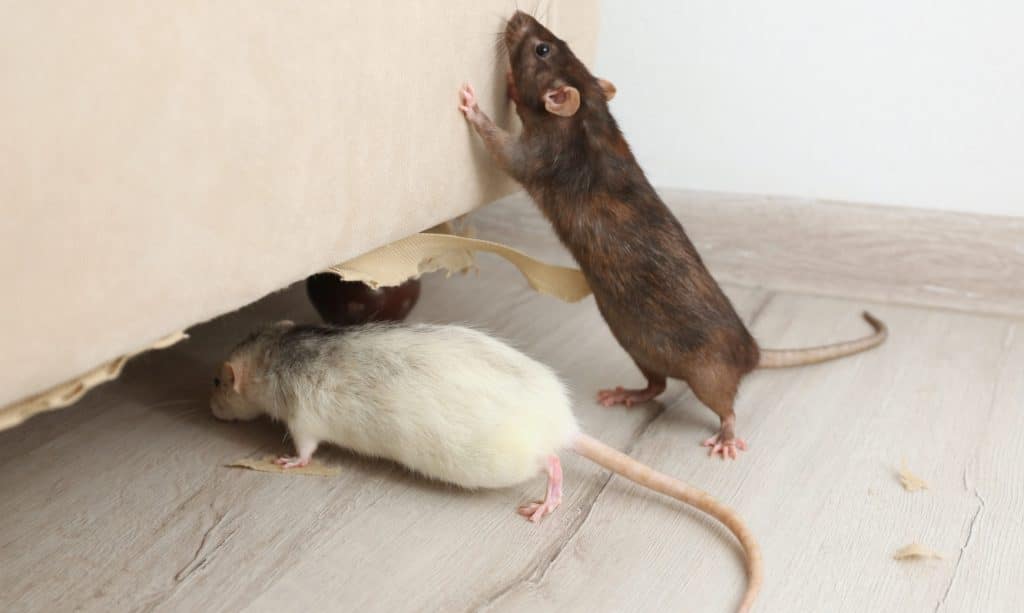
Professional inspections catch rodent problems before they escalate into full-blown infestations. Licensed pest control experts in Sydney systematically examine properties to detect early warning signs that untrained eyes often miss.
Modern rodent exterminator sydney services employ advanced rodent detection technology to confirm activity levels. Tracking powders reveal footprint patterns and movement routes invisible to the naked eye. Thermal imaging cameras identify warm bodies hiding within wall cavities or roof spaces. Motion sensors and strategically placed cameras capture nocturnal activity, providing concrete evidence of infestation severity.
Common indicators of rodent presence include:
- Droppings: Small, dark pellets typically found along walls, in cupboards, or near food sources
- Gnaw marks: Fresh chew marks on furniture, cables, packaging, or structural timber appear lighter in color
- Grease trails: Dark, oily smudges along baseboards and walls where rodents repeatedly travel
- Nests: Shredded paper, fabric, or insulation materials tucked in hidden corners
These technological tools complement traditional inspection methods, ensuring accurate identification of rodent species—whether Norway rats, roof rats, or house mice. This precision allows pest control professionals to design targeted treatment strategies specific to your property’s needs.
What Treatment Methods Are Effective for Long-Term Mouse Control?
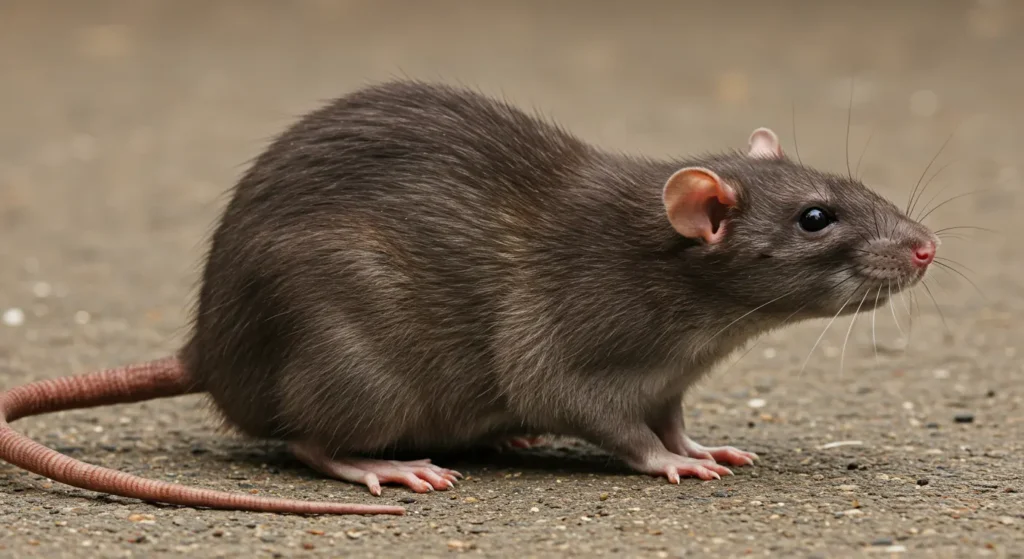
Mechanical trapping Sydney professionals rely on proven methods that physically capture rodents without chemicals. Snap traps deliver instant results when positioned along walls where mice travel, while glue boards work best in areas where traditional traps pose safety concerns. These devices require regular checking and proper disposal of captured rodents, limiting their effectiveness in large-scale infestations.
Rodenticides Sydney specialists use tamper-proof bait stations that protect children and pets from accidental poisoning. These secure enclosures allow mice to access toxic baits while preventing non-target animals from reaching the contents. Licensed technicians strategically place stations near entry points and along rodent pathways, monitoring consumption rates to gauge infestation severity.
However, it’s important to consider the potential risks associated with traditional rodenticides, as alternative ways from rat poison are increasingly being explored due to safety concerns.
Eco-friendly rodent control options appeal to environmentally conscious property owners seeking chemical-free solutions:
- Ultrasonic repellents emit high-frequency sounds that disturb rodents without affecting humans or most pets
- Peppermint oil applied to cotton balls creates a natural barrier mice avoid due to its strong scent
- Natural predator scents like those from cats can deter mice from entering treated areas
Each treatment method serves specific scenarios:
- Mechanical traps excel in light infestations where precise placement targets known activity zones
- Bait stations handle moderate to severe problems requiring sustained population reduction
- Natural deterrents complement other methods as preventive measures rather than standalone solutions for active infestations
For those interested in eco-friendly rodent control, there are numerous options available. Furthermore, the use of natural deterrents can serve as effective preventive measures against rodent infestations.
How Does Rodent-Proofing Protect Properties from Future Infestations?
Rodent-proofing Sydney properties creates physical barriers that prevent mice from entering buildings, offering the most sustainable defence against recurring infestations. Structural exclusion methods target the root cause by eliminating access rather than simply reacting to existing problems.
Sealing Entry Points
Sealing entry points rodents commonly exploit requires durable materials that resist gnawing. Mice can squeeze through openings as small as 6mm, making thorough sealing critical:
- Steel wool packed tightly into small cracks and holes creates an abrasive barrier mice avoid chewing
- Caulk fills minor gaps around pipes, cables, and window frames for a weather-tight seal
- Cement mixed with broken glass provides long-lasting protection for larger openings in foundations and walls
Installing Protective Barriers
Installing protective barriers at vulnerable access points blocks common entry routes:
- Door sweeps fitted to exterior doors eliminate the gap between door bottoms and thresholds
- Wire mesh (6mm or smaller gauge) secured over vents, chimneys, and exhaust outlets prevents climbing rodents from entering
- Weatherstripping applied around windows and doors closes gaps that compromise building integrity
Addressing Harborage Areas
Structural modifications address harborage areas by trimming overhanging tree branches within 1.5 metres of rooflines, removing dense vegetation against walls, and eliminating stored materials that create nesting sites. These proactive measures reduce the likelihood of re-infestation by up to 90% when properly maintained.
Why Are Sanitation Practices Crucial in Preventing Rodent Infestations?
Sanitation practices eliminate the food, water, and shelter that attract mice to properties in the first place. Without accessible resources, rodents have no reason to establish colonies, making sanitation one of the most cost-effective prevention strategies available.
1. Food storage represents the primary defense line
Transferring pantry items like cereals, grains, pasta, and pet food into sealed metal or thick plastic containers denies rodents easy meals. Glass jars with tight-fitting lids work equally well. Cardboard boxes and paper bags offer zero protection—mice gnaw through them within minutes.
2. Garbage management requires consistent attention
Rodent-proof bins with secure lids prevent access to food waste. Empty kitchen bins daily, especially in commercial kitchens where organic matter accumulates rapidly. Loading docks and waste management zones need regular cleaning schedules to remove spills and debris that attract pests.
3. Cleanliness standards vary by setting but remain equally important
Residential kitchens need immediate cleanup of crumbs and spills, while basements and attics should stay free of stored food items. Commercial properties must sanitize food preparation areas, storage rooms, and employee break areas according to health regulations.
4. Clutter reduction removes potential nesting sites
Stacked newspapers, cardboard boxes, old clothing, and unused furniture create ideal harborage. Organize storage areas with plastic bins elevated off floors, maintaining clear pathways for inspection access.
How Can Ongoing Monitoring Maintain Long-Term Rodent Control?
Rodent monitoring Sydney programs provide the foundation for sustained protection by catching new infestations before they escalate. Regular surveillance identifies fresh activity within 24-48 hours, allowing immediate intervention that prevents population growth and extensive property damage.
Scheduled Inspection Protocols
Professional inspections every 30-60 days reveal subtle changes in rodent behavior patterns. Technicians examine previously sealed entry points for signs of re-entry attempts, check for new droppings in attics and wall cavities, and assess whether existing control measures remain effective. This proactive approach detects breaches in exclusion barriers before mice establish breeding colonies inside structures.
Strategic Trap Deployment
Positioning monitoring devices in vulnerable zones maximizes detection efficiency:
- Behind kitchen appliances where warmth and food particles attract mice
- Along plumbing penetrations that create natural entry corridors
- Near electrical panels where rodents seek shelter
- Under sinks and vanities with accessible pipe gaps
Advanced Surveillance Technology
Pest surveillance technology transforms traditional monitoring into data-driven protection. Motion-triggered cameras capture real-time footage of rodent movement patterns, helping identify active pathways and peak activity times. Thermal imaging detects heat signatures within walls, while wireless sensor networks alert property owners to movement in remote areas like roof spaces or storage zones.
What Is Integrated Pest Management (IPM) and How Does It Help?
Integrated pest management (IPM) programs combine multiple control strategies to manage mouse populations sustainably without relying on a single method. This approach layers mechanical trapping, exclusion techniques, sanitation protocols, and targeted chemical treatments when necessary, creating a comprehensive defense system that prevents resistance and ensures long-term effectiveness.
Sustainable Pest Control Methods
The sustainable pest control methods within IPM frameworks reduce environmental impact by prioritizing non-toxic interventions first. Chemical rodenticides serve as a last resort rather than the primary solution, protecting Sydney’s native wildlife and waterways from contamination. This measured approach maintains ecological balance while effectively controlling rodent numbers.
Addressing Interconnected Pest Problems
IPM strategies address the interconnected nature of pest problems by targeting secondary infestations that accompany rodent activity:
- Cockroaches that feed on rodent droppings and food debris
- Fleas carried by mice into living spaces
- Ants attracted to the same food sources
- Spiders drawn to areas with high insect activity
Customized IPM Plans
Pest control professionals assess each property’s unique risk factors—building age, surrounding environment, previous infestation history—to design customized IPM plans. These tailored programs adapt over time based on monitoring results, seasonal changes, and emerging rodent behavior patterns. Regular evaluations ensure control methods remain effective without causing unnecessary environmental stress or exposing residents to excessive chemical treatments.
Why Should Property Owners Consider Professional Pest Control Services?
Licensed pest controllers in Australia have specialized knowledge that homeowners cannot replicate through DIY methods. Professional pest control services employ experts who understand local rodent behavior patterns, Sydney’s unique climate challenges, and current Australian regulations governing pesticide application and environmental safety. These professionals are also well-versed in the Hazard Communication Standard, ensuring safe and compliant use of chemicals.
Customized Solutions for Effective Mouse Control
Customized solutions are essential for effective mouse control. Licensed professionals assess each property’s specific vulnerabilities—whether it’s a heritage terrace in Paddington with aging brickwork or a modern apartment complex in Parramatta with shared ventilation systems. They develop targeted strategies based on:
- Property type (residential, commercial, industrial)
- Infestation severity (active breeding vs. isolated sightings)
- Environmental factors (proximity to waterways, construction sites, or food establishments)
- Occupant requirements (families with children, pet-friendly solutions, allergy considerations)
Transparent Pricing for Peace of Mind
Transparent pricing eliminates the guesswork from Mouse Control Sydney: Best Methods for Long-Term Prevention. Reputable providers offer detailed quotes outlining inspection fees, treatment costs, and follow-up services. Many include:
- Flexible payment plans for extensive commercial treatments
- Service warranties guaranteeing re-treatment if rodents return within specified periods
- Package options combining initial elimination with quarterly monitoring
- Detailed documentation of all products used and application methods
Insurance Coverage for Added Protection
Licensed professionals carry appropriate insurance coverage, protecting property owners from liability during treatment applications.
What Legal Requirements Must Be Followed When Controlling Rodents in Sydney?
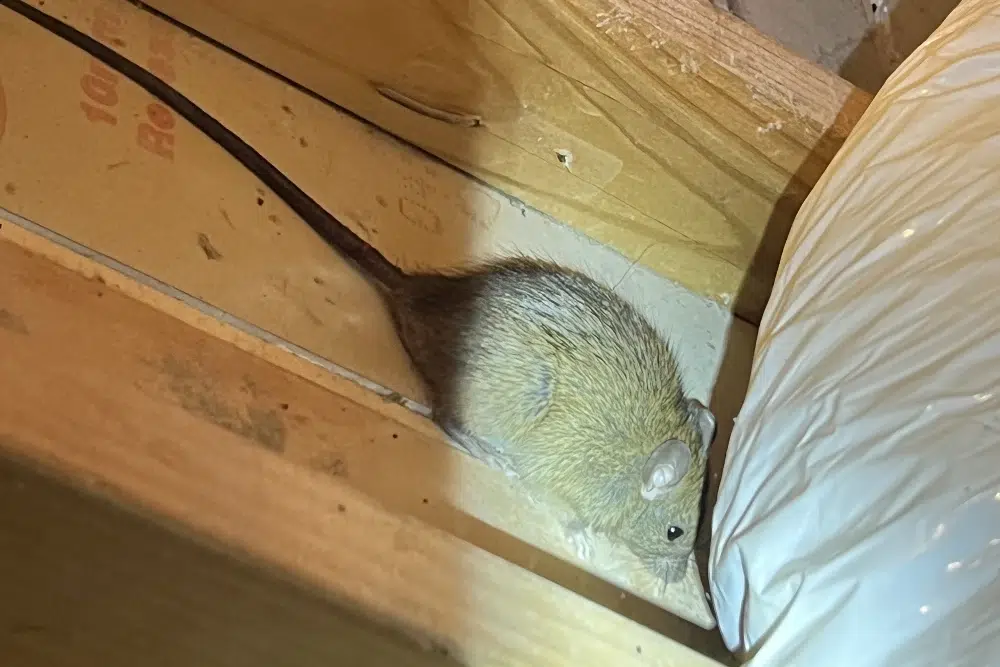
Pest control legal compliance Australia mandates strict adherence to regulations protecting public health and environmental safety. Property owners and pest control operators must follow guidelines set by the NSW Environment Protection Authority and local councils when implementing rodent control measures.
Pesticide regulations NSW require anyone applying chemical treatments to hold appropriate licenses and certifications. Only approved rodenticides registered with the Australian Pesticides and Veterinary Medicines Authority (APVMA) can be used. These products must be applied according to label instructions, with specific attention to:
- Maximum application rates and frequency
- Restricted use areas near waterways or sensitive environments
- Mandatory signage and notification requirements for treated areas
- Safe storage and handling protocols
Proper recordkeeping forms a critical component of legal compliance. Operators must maintain detailed logs documenting:
- Types and quantities of pesticides used
- Application dates, locations, and methods
- Disposal procedures for unused chemicals and contaminated materials
- Treatment outcomes and follow-up inspections
Commercial properties face additional obligations under workplace health and safety legislation. Businesses must provide Material Safety Data Sheets (MSDS) for all chemicals used and ensure staff receive appropriate training.
Mouse Control Sydney: Best Methods for Long-Term Prevention always incorporate these legal frameworks, protecting both property occupants and the broader environment while achieving effective results.